
Cannabis Buyers’ Club of Berkeley – Compassion Activism & Community Care – in Berkeley, CA

Statement of Purpose
May this Landmark honor the patients, caregivers, activists, educators, employees, and community members who transformed compassion into action.
May it recognize those who brought medicine directly to people facing serious illness, stigma, hardship, and isolation during a time when few systems existed to support them.
May it preserve the legacy of those who created spaces where patients could find not only cannabis, but also education, advocacy, nourishment, connection, dignity, and belonging.
May it honor CBCB’s enduring commitment to compassionate, affordable, and safe access—and the generations of people who have carried that mission forward through service, courage, and care.
May this Landmark remind us that compassion is more than an ideal. It is a practice, a responsibility, and a commitment to improving the lives of others.
May it be so.
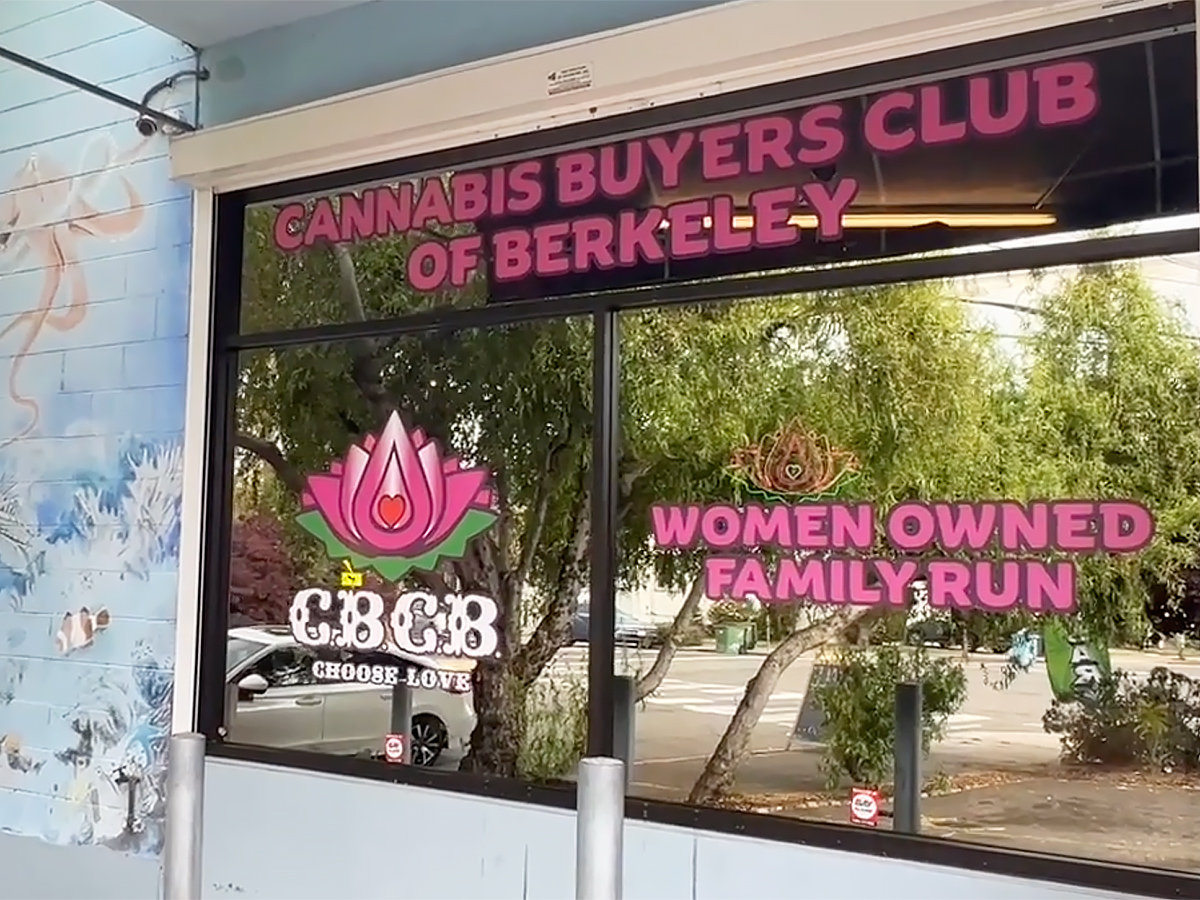
3033 Shattuck Avenue, Berkeley, CA 94705
This Landmark honors compassion activism, patient dignity, social justice, and community care in Berkeley, California.
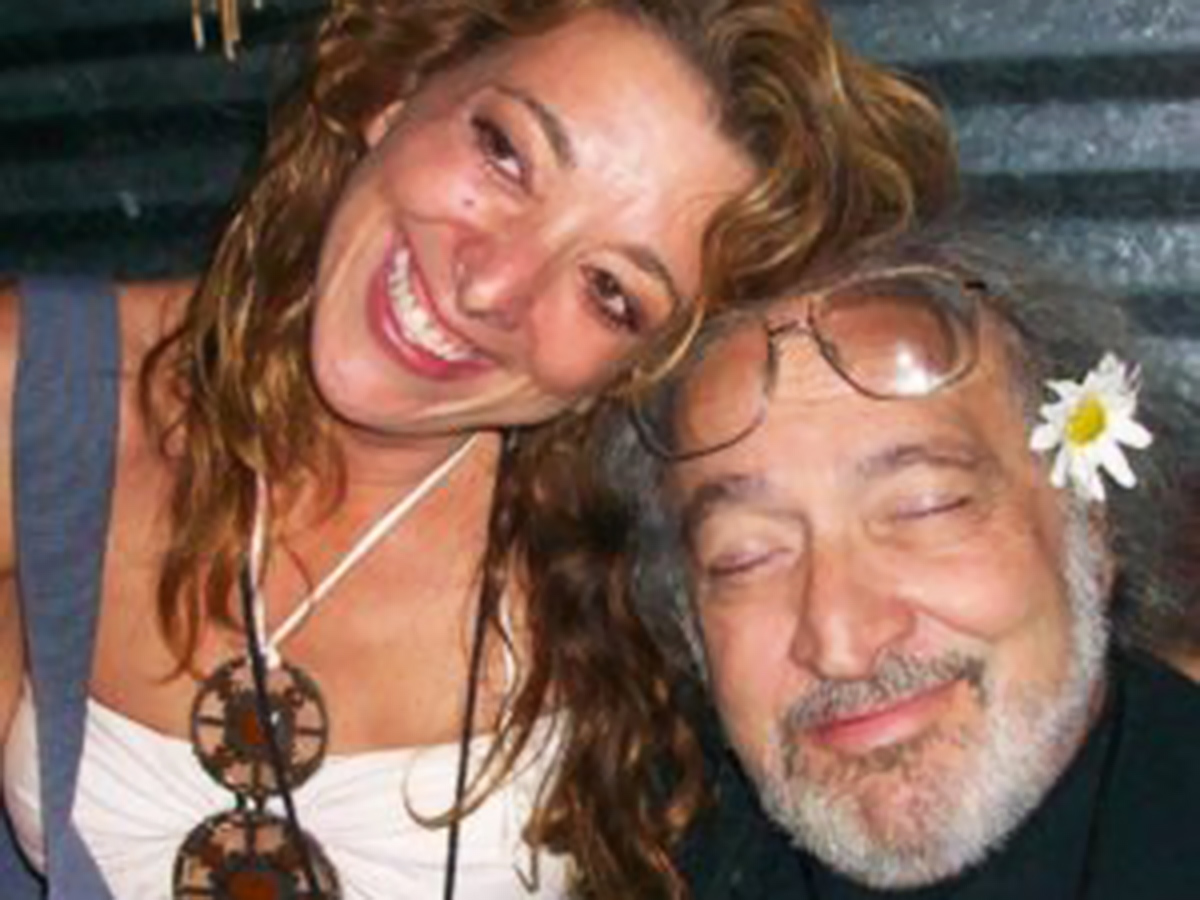
Founded in 1996 by social justice activists Jim Squatter and John Pilka, the Cannabis Buyers’ Club of Berkeley—known as CBCB—was established to provide compassionate, affordable, and safe access to cannabis.
CBCB began as a cannabis delivery service immediately after California voters approved Proposition 215 in November 1996. During the HIV/AIDS epidemic, its founders brought medicine directly to seriously ill patients, many of whom faced stigma, isolation, inadequate care, or had nowhere else to turn.
From its earliest days, CBCB treated cannabis access as an act of compassion and social responsibility.
On April 1, 1997, CBCB opened its first storefront at the Long Haul in Berkeley. A longtime home to grassroots organizations, social justice campaigns, educational programs, independent media, and community events, the Long Haul provided a natural setting for CBCB’s emerging mission.
The storefront was located next door to the former national headquarters of the Black Panther Party, placing CBCB within a neighborhood deeply connected to Berkeley’s history of activism, mutual aid, political education, and direct community service.
Patients came not only for medicine, but also for education, advocacy, connection, and a sense of belonging.
Through grassroots activism, patient advocacy, and public education, CBCB’s founders helped advance the medical cannabis movement, transform public understanding of cannabis, and strengthen Berkeley’s leadership in compassionate cannabis access.
Decades later, CBCB continues its work just one block from its original home.
Under the leadership of Aundre Speciale since 2007, the organization has remained true to its founding principles while expanding its compassion program, food assistance, health education, and other community services.
As Berkeley became a national model for compassionate, community-based cannabis regulation, CBCB participated actively in the city’s cannabis policymaking process. Berkeley pioneered mandatory cannabis testing standards and established one of California’s earliest mandatory compassion programs, connecting cannabis regulation with product safety, patient access, and public responsibility.
CBCB helped shape this legacy through its advocacy, community service, and continuing participation in Berkeley’s cannabis policy landscape.
Today, CBCB continues its longstanding commitment to social justice through its community compassion programs, providing free cannabis therapy, food, health education, and other supportive services. Through its community center, the Chapel of the Flowers, and in partnership with community organizations including the Black Panther Party Alumni Legacy Network, the Self Help Hunger Program, and many others, CBCB provides free health, wellness, education, and support programs to patients, seniors, and the broader community.
CBCB’s story is also defined by the people who have built and sustained the organization.
As one of the nation’s longest continuously operating cannabis dispensaries, CBCB reflects the lasting relationships that have shaped its mission since 1996. It is home to Jay, a budtender with 29 years of continuous service—an extraordinary example of continuity within the cannabis movement and industry.
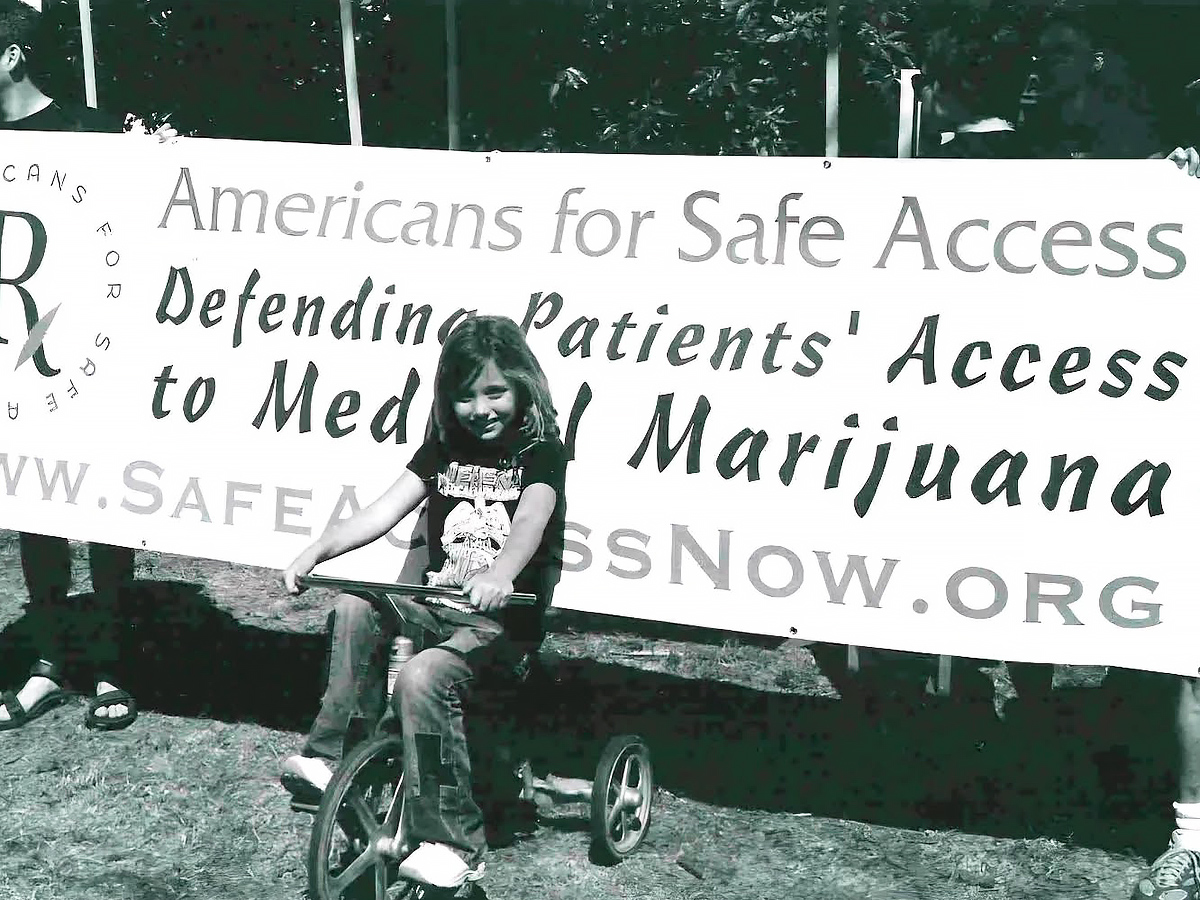
CBCB remains family operated. Aundre Speciale’s children Electra and Will, were raised within Berkeley’s cannabis activist community and participated in its work from an early age. Today, they help carry the organization’s mission forward into a new generation.
Together, CBCB’s founders, leaders, employees, patients, caregivers, families, and community partners have created something larger than a dispensary.
They have created a living Cultural Landmark rooted in compassion, dignity, social justice, mutual aid, and community care.
CBCB’s story complements the Berkeley Patients Group Cultural Landmark by revealing another essential dimension of Berkeley’s cannabis history. Berkeley Patients Group reflects sustained advocacy, institutional perseverance, safe access, and the movement toward public medical legitimacy. CBCB reflects grassroots compassion, direct patient service, nourishment, social justice, belonging, and community resilience.
Together, the two Landmarks help tell a defining Berkeley story: how activists, patients, caregivers, community institutions, and civic leaders helped move cannabis from stigma and prohibition toward dignity, public understanding, compassionate access, and lasting community infrastructure.


Location: Cannabis Buyers’ Club of Berkeley
At the Cannabis Buyers’ Club of Berkeley, compassion is not simply a value. It is a practice expressed through access, advocacy, education, nourishment, and direct community service.
Since 1996, CBCB has worked to provide compassionate, affordable, and safe access to cannabis while supporting patients, caregivers, and community members with dignity and respect.
Its history began with direct delivery to seriously ill patients during the HIV/AIDS epidemic and grew into a community-centered institution where people could find medicine, information, advocacy, connection, and belonging.
CBCB’s commitment extends beyond cannabis access. Through its compassion program, food assistance, health education, community partnerships, and civic participation, the organization continues Berkeley’s traditions of social justice, mutual aid, and grassroots action.
Under the leadership of Aundre Speciale since 2007, CBCB has remained family operated and connected to the activist community from which it emerged. Its multigenerational leadership and long-serving employees reflect the continuity, trust, and shared purpose that have defined the organization for nearly three decades.
Today, CBCB continues working to improve lives, strengthen community, and ensure that compassionate cannabis access remains connected to patient dignity, public education, and social responsibility.